
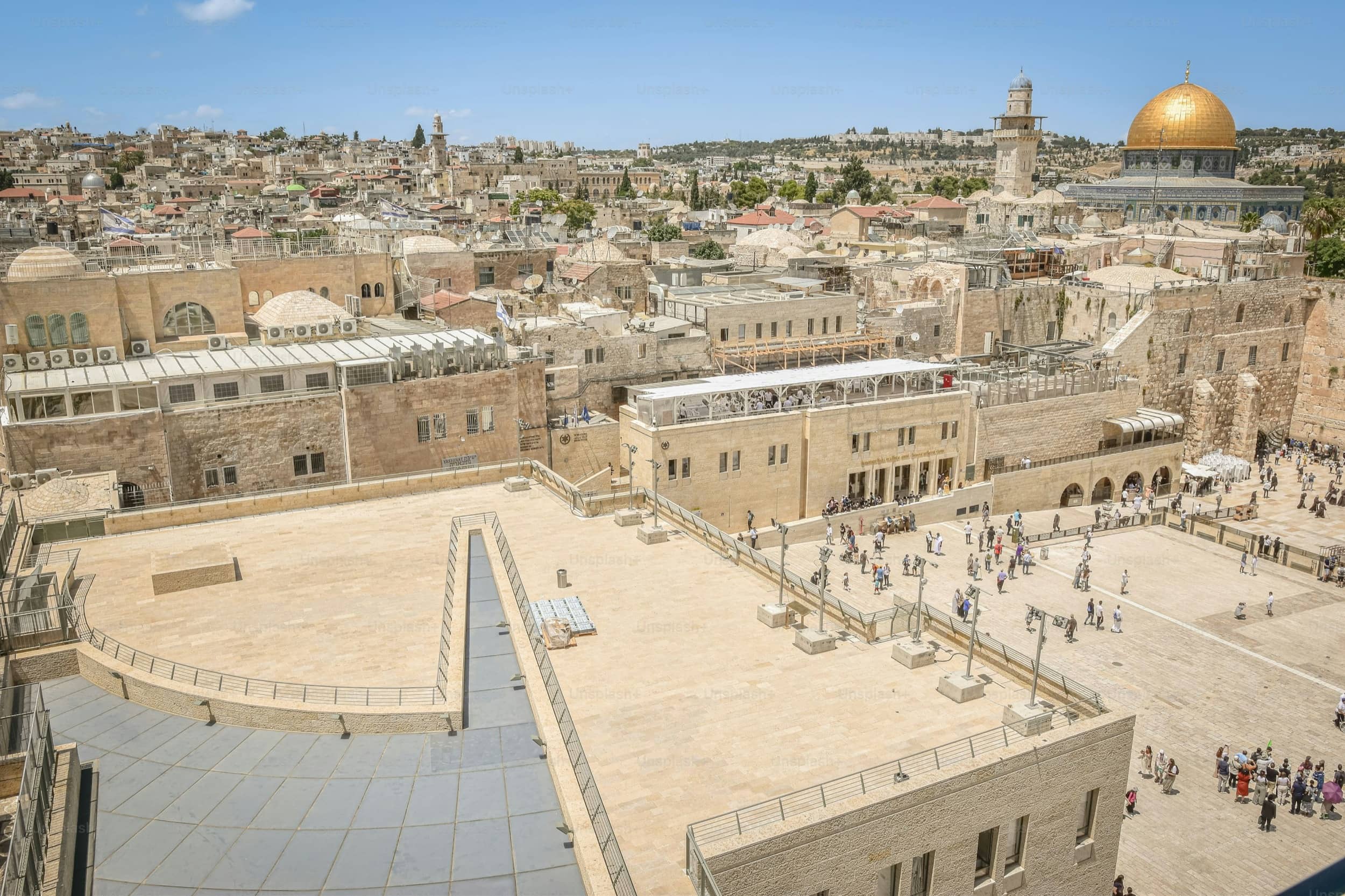
Why Jerusalem
Jerusalem concentrates religious, cultural, and political history into a compact area, but daily flow still needs careful planning. The Mount of Olives and Mount Zion provide key orientation points, while the Old City combines sacred spaces, markets, and narrow lanes. Modern neighborhoods add museums, food, and meeting venues that help balance heavy site days.
Top Highlights by Theme
- Mount of Olives: panoramic introduction plus Chapel of Ascension, Pater Noster, Dominus Flevit, and the Palm Sunday route to Gethsemane
- Old City: Western Wall, Davidson Archaeological Park, Via Dolorosa, Church of the Holy Sepulchre, and Armenian/Jewish Quarter lanes
- Mount Zion: Room of the Last Supper (Cenacle), Dormition Abbey, and St. Peter in Gallicantu
- New City: Yad Vashem Holocaust Remembrance Center, Israel Museum (Shrine of the Book), Mahane Yehuda market, and art districts
- Day trips: Bethlehem (about 10 km), Ein Kerem, Shepherds' Field, and Dead Sea desert landscapes
Sub-areas / Nearby
- City of David excavations and Hezekiah's Tunnel for archaeological depth
- Garden Tomb (north of Damascus Gate) for reflection gardens and interpretive tours
- West Jerusalem neighborhoods (Emek Refaim, First Station) for dining and evening walks
Trip Length & Pacing
4–5 Nights
- Day 1: Mount of Olives orientation and Gethsemane area visits
- Day 2: Old City (Temple Mount/Western Wall area, Jewish Quarter, Southern Steps; Temple Mount access as permitted)
- Day 3: Via Dolorosa, Church of the Holy Sepulchre, Mount Zion, optional Garden Tomb
- Day 4: Yad Vashem, Israel Museum, Mahane Yehuda tasting tour
- Day 5: Bethlehem or Judean Wilderness (Masada, Dead Sea) day trip before returning for evening reflection
Best Time to Go
Spring and fall usually bring mild weather and manageable touring conditions. Summer is hotter and busier, so early starts and indoor midday blocks help. Winter can be cool with occasional rain. Passover, Easter, and Sukkot require advance booking and flexible timing.
Group Logistics
- Access: motorcoaches typically drop near Lions' Gate, Dung Gate, or Jaffa Gate with short walks into the Old City
- Mobility: expect stairs and uneven paving; alternatives can include Western Wall elevators or shuttle vans for select sections
- Security: follow site-specific guidance, carry ID, and allow time for screening at places like the Western Wall plaza or Yad Vashem
- Meals: coordinate lunches in Christian Quarter rooftop restaurants, Jewish Quarter cafes, or Mahane Yehuda stalls
- Lodging: hotels cluster around the Old City (Mamilla, Mount Zion) and West Jerusalem; confirm meeting room needs in advance
Extensions & Combos
- Combine with Galilee (Nazareth, Tiberias) for full Holy Land itineraries
- Add coastal time in Tel Aviv, Caesarea, or Haifa to balance pace
- Plan Judean desert retreats (Masada, Qumran, Ein Gedi) for contrast and reflection
Safety & Stewardship Notes
Dress modestly for holy sites, follow local instructions, and stay hydrated on uphill routes. Support artisans in all four quarters by purchasing responsibly and engaging respectfully with residents.
FAQs
- Q: How much walking does a typical Old City day require?
A: Expect about 5-8 km with stairs; plan breaks at shaded courtyards and cafes. - Q: Can we visit the Temple Mount/Haram al-Sharif?
A: Access is limited and can change with security conditions; ETS monitors openings and plans alternatives when closures occur.
For Churches
How Churches Use Jerusalem
- Mount of Olives outlooks to frame the week, followed by Palm Sunday route walks to Gethsemane
- Western Wall, Southern Steps, and City of David visits that connect Scripture to archaeology with guided teaching
- Via Dolorosa, Church of the Holy Sepulchre, and Garden Tomb rotations with intentional debriefs afterward
- Yad Vashem and Israel Museum blocks to engage with lament, resilience, and hope, followed by facilitated conversations
- Evening communion or worship gatherings at the Garden Tomb, St. Anne’s, or rooftop terraces overlooking the Old City
What Works Well
- 4–5 nights with one major site grouping each day (Mount of Olives, Old City south, Via Dolorosa/Garden Tomb, New City museums, Bethlehem day)
- Build in midday breaks for journaling or small-group processing and rotate pace options for uneven terrain
- Schedule communion or foot-washing services toward the end of the Jerusalem stay to synthesize the journey
- Include mentorship or prayer appointments for leaders to connect with participants one-on-one
Sample Ministry Focus
- Day 1: Mount of Olives devotion → Gethsemane prayer → Mount Zion evening worship
- Day 2: Western Wall and Southern Steps teaching → lunch in the Jewish Quarter → free time for prayer walls or shopping → rooftop debrief
- Day 3: Via Dolorosa stations → Church of the Holy Sepulchre → Garden Tomb communion service → dinner with local ministry leader
- Day 4: Yad Vashem guided visit → Israel Museum Shrine of the Book → Mahane Yehuda tasting tour focused on hospitality
What ETS Tours Provides Here
- Licensed, faith-aware guides and Bible teachers for each Old City section\n- Timed entries, security coordination, and headsets to keep commentary clear in busy alleys\n- Reserved chapel slots at the Garden Tomb, St. Anne’s, or local congregations for communion and worship\n- Partnerships with Messianic, Arab Christian, or humanitarian ministries for panels and service opportunities\n- Lodging, meeting rooms, and meal logistics tailored to group size and pacing
We’ll choreograph the schedule, permits, and ministry partners so your team can focus on shepherding well.
Ready to plan Israel?
Save the planning request here and keep the right nonprofit connected from the first conversation.