
Overview
Caesarea Maritima showcases Herod the Great’s monumental harbor and the New Testament setting for Peter, Cornelius, and Paul. Today it offers extensive ruins, a restored Roman theater, and breezy coastal walks.
Highlights
- Roman theater used for modern performances and historical interpretation
- Palace foundation jutting into the sea, with pool remains and mosaic floors
- Hippodrome, Crusader fortifications, and the ancient harbor basin
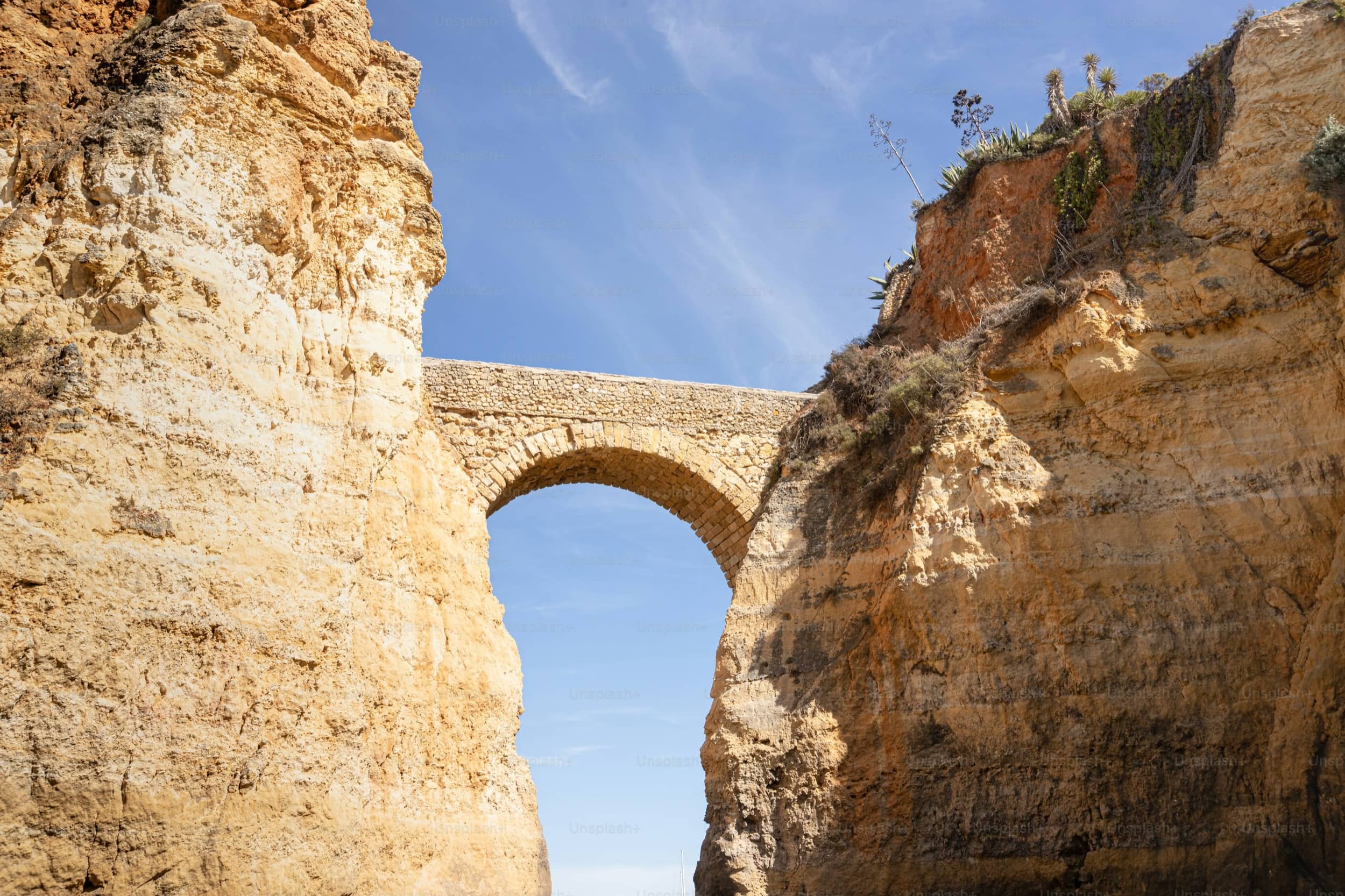
- Aqueduct beach just north of the national park for iconic photo stops
Logistics
- National park entrance fee; visitor center with audio-visual exhibits
- Combine with Mount Carmel, Megiddo, or Tel Aviv for coastal itineraries
- Coastal breezes can be strong—carry layers for shaded teaching spots
FAQs
- Q: How long to spend here?\n A: Allow 90 minutes to explore the ruins, theater, and harbor promenade.
- Q: Can choirs sing in the theater?\n A: With prior approval; ETS coordinates permits and sound checks if desired.
For Churches
How Churches Use Caesarea
- Scripture readings on the theater steps or palace ruins focusing on Acts 10 and 26
- Commissioning prayers at the Mediterranean shoreline, underscoring the Gospel’s spread
- Baptism renewals or foot-washing moments on the beach (permits required)
What Works Well
- Use headsets to deliver teaching while groups explore; wind can mask voices near the sea
- Pair Caesarea with Jaffa or Haifa to connect early church mission with modern outreach
- Schedule seafood lunches or donor events at harbor restaurants with time for storytelling
What ETS Tours Provides Here
- Theater and palace access logistics with licensed guides\n- Audio equipment that combats sea breezes\n- Venue reservations for seaside worship or donor receptions
We’ll coordinate logistics so you can focus on commissioning and mission vision.
See also: Israel — Fundraising for Churches
Ready to plan Israel?
Save the planning request here and keep the right nonprofit connected from the first conversation.